A fresh coat of paint can dramatically improve the appearance of a home or commercial property. However, the quality and longevity of a paint job often depend on what happens before the first coat is applied.
Exterior surfaces can collect dirt, dust, pollen, mildew, algae, loose paint, and other debris over time. If these materials remain on the surface, new paint may not adhere as effectively.
That is why pressure washing before painting is often an important part of preparing exterior surfaces.
The goal is not simply to make the property look cleaner. Proper cleaning can help remove contaminants that may interfere with paint adhesion and reveal areas that need additional preparation before painting begins.

However, pressure washing is not the right approach for every surface, and using excessive pressure can cause damage. The appropriate cleaning method depends on the material, its condition, and the type of buildup present.
For homeowners and property managers, understanding why exterior cleaning matters before painting can help create a better starting point for the project.
Why Should You Pressure Wash Before Painting?
Pressure washing before painting helps remove dirt, mildew, algae, loose debris, and other contaminants that may interfere with surface preparation and paint adhesion.
Cleaning the exterior can also make it easier to identify peeling paint, damaged siding, cracks, stains, or other areas that may need attention before a new coating is applied.
Depending on the surface, preparation may involve pressure washing, soft washing, manual cleaning, scraping, sanding, repairs, or a combination of these methods.
The most important factor is choosing a cleaning approach that effectively prepares the surface without causing unnecessary damage.
Why Surface Preparation Matters Before Painting
Paint needs a properly prepared surface to perform as intended.
If a surface is covered with dirt or organic growth, the new coating may be applied over a layer that is not firmly attached to the building material itself.
Potential issues can include:
- Uneven paint application
- Poor adhesion
- Peeling or flaking
- Visible surface imperfections
- Trapped dirt or debris
- A shorter-lasting finish
Cleaning is only one part of surface preparation, but it is an important one.
For example, pressure washing may remove surface buildup, while scraping and sanding may still be necessary to address loose or peeling paint.
Similarly, cracks or damaged materials should be repaired before painting where appropriate.
What Can Build Up on Exterior Surfaces?
Exterior walls and other surfaces are constantly exposed to the environment.
Over time, they may accumulate:
Dirt and Dust
Airborne particles can settle on siding, brick, stucco, trim, fences, decks, and other surfaces.
A surface may appear relatively clean from a distance while still having enough buildup to affect preparation.
Pollen
In areas with seasonal pollen, exterior surfaces can develop a noticeable layer of residue.
This buildup should be removed before applying a new coating.
Mildew and Organic Growth
Moist or shaded areas may develop mildew, algae, or other organic growth.
Simply painting over the affected area without proper cleaning may leave the underlying problem in place.
Loose Paint
Pressure washing can sometimes help remove loose or deteriorated paint, although additional scraping and sanding may still be needed.
Spider Webs and Other Debris
Cobwebs, insect nests, leaves, and other debris can collect around exterior surfaces and trim.
Removing these materials creates a cleaner surface for the next stage of preparation.
Pressure Washing Before Painting: Key Benefits
1. Helps Improve Surface Cleanliness
The most obvious benefit is removing accumulated dirt and debris.
A cleaner surface gives painters a better starting point and can reduce the risk of applying paint over contaminants.
For larger exterior areas, professional pressure washing can often clean surfaces more efficiently than manual methods alone.
2. Helps Identify Areas That Need Repair
Once the surface has been cleaned, underlying issues may become easier to see.
These can include:
- Cracked or damaged siding
- Peeling paint
- Surface deterioration
- Cracks in stucco
- Damaged trim
- Stains
- Areas affected by moisture
Identifying these issues before painting allows appropriate repairs or additional preparation to be completed first.
3. Can Remove Mildew and Organic Buildup

Exterior surfaces exposed to shade and moisture may develop organic growth.
Cleaning the surface before painting can help remove visible buildup and prepare the area for the next stage of the project.
The appropriate cleaning solution and method will depend on the material and condition of the surface.
4. Creates a More Even Starting Surface
A surface covered with dirt or loose debris can affect how the final paint job looks.
Cleaning helps create a more consistent starting point before scraping, sanding, priming, and painting.
Pressure Washing vs. Soft Washing Before Painting
Not every exterior surface should be cleaned using high pressure.
Some materials may be better suited to soft washing or another lower-pressure cleaning method.
| Cleaning Method | Best For | Pressure Level | Key Consideration |
| Pressure Washing | Durable concrete, driveways, sidewalks, and suitable hard surfaces | Higher | Excessive pressure can damage some materials |
| Power Washing | Large durable exterior surfaces and commercial areas | Varies | Method should match the surface |
| Soft Washing | Delicate siding, roofs, and surfaces with organic buildup | Low pressure | Uses an appropriate cleaning solution and lower-pressure rinse |
| Manual Preparation | Small areas, loose paint, and detailed surfaces | None | May be needed alongside exterior washing |
For example, a concrete driveway and a painted wood surface should not automatically be cleaned using the same pressure settings.
Professional exterior cleaning involves selecting an appropriate approach for the material.
Which Surfaces Should Be Cleaned Before Painting?
Many exterior surfaces can benefit from proper cleaning before painting, including:
- House siding
- Brick surfaces
- Stucco
- Exterior trim
- Fences
- Decks
- Patios
- Concrete surfaces
- Commercial building exteriors
However, the cleaning method should always be adjusted to the material and its condition.
Older surfaces, damaged materials, loose paint, and delicate areas may require lower pressure or additional preparation techniques.
How Long Should You Wait to Paint After Pressure Washing?
The surface should be allowed to dry adequately before painting.
The exact drying time depends on factors such as:
- Surface material
- Weather conditions
- Humidity
- Temperature
- Amount of water absorbed
- Shade and sun exposure
Painting a surface that has not dried sufficiently can create moisture-related problems beneath the coating.
For this reason, it is important to allow enough drying time and follow the paint manufacturer’s recommendations for surface preparation and application.
A painting professional can determine whether the surface is adequately dry before beginning the project.
Mid-Article CTA: Prepare Your Exterior Before the Next Painting Project
Before investing in exterior painting, make sure dirt, organic buildup, and other surface contaminants are properly addressed.
Pressure Wash This, Inc. provides professional residential and commercial exterior pressure washing services for property owners throughout Central Florida.
Professional cleaning can help prepare suitable exterior surfaces before painting, maintenance, or other improvement projects.
Common Mistakes to Avoid When Pressure Washing Before Painting
Using Too Much Pressure
More pressure is not always better.
Excessive pressure can potentially:
- Damage siding
- Etch softer materials
- Force water behind exterior materials
- Damage wood
- Remove more material than intended
The cleaning method should match the surface.
Painting Before the Surface Is Dry
Pressure washing introduces water to the surface.
Applying paint too soon may trap moisture or create conditions that affect the coating.
Allow sufficient drying time before moving to the next stage.
Skipping Repairs
Cleaning may reveal cracks, loose materials, damaged siding, or peeling paint.
These issues should be addressed as part of the preparation process rather than covered with a new coat of paint.
Assuming Pressure Washing Replaces All Surface Preparation
Pressure washing is one part of the process.
Depending on the condition of the property, additional steps may include:
- Scraping
- Sanding
- Caulking
- Repairs
- Priming
- Protecting surrounding surfaces
A clean surface does not necessarily mean it is fully prepared for painting.
Residential Pressure Washing Before Exterior Painting
For homeowners, exterior pressure washing can be useful before painting projects involving:
- Siding
- Brick
- Stucco
- Exterior walls
- Decks
- Patios
- Driveways and walkways surrounding the property
Professional house exterior power washing can remove accumulated dirt and environmental buildup while using an appropriate approach for the material.
For decks and patios, preparation may also involve removing leaves, dirt, mildew, and other buildup before staining, sealing, or painting where applicable.
A thorough assessment can help determine whether traditional pressure washing, soft washing, or another cleaning method is more appropriate.
Commercial Pressure Washing Before Painting
Commercial properties can also benefit from exterior cleaning before repainting or maintenance.
Commercial buildings may accumulate:
- Vehicle exhaust residue
- Dirt
- Pollution-related buildup
- Organic growth
- Gum and stains in exterior areas
- General environmental debris
Commercial power washing services can be used for suitable exterior areas such as:
- Building exteriors
- Sidewalks
- Parking lots
- Loading areas
- Entryways
- Other durable surfaces
Cleaning these areas before painting or exterior maintenance can improve the condition and appearance of the property.
For larger properties, the cleaning strategy should account for surface materials, access, drainage, and surrounding landscaping.
Pressure Washing Before Painting: A Step-by-Step Overview
While every project is different, exterior preparation generally follows a process similar to this:
Step 1: Inspect the Surface
Look for:
- Dirt and stains
- Organic growth
- Peeling paint
- Cracks
- Damaged materials
- Moisture-related concerns
Step 2: Select the Appropriate Cleaning Method
The surface may require:
- Pressure washing
- Soft washing
- Manual cleaning
- A combination of methods
Step 3: Protect Surrounding Areas
Landscaping, outdoor furniture, electrical components, and other nearby areas may need protection before cleaning begins.
Step 4: Clean the Surface
Use the appropriate equipment, pressure level, and cleaning approach for the material.
Step 5: Allow the Surface to Dry
Adequate drying is essential before painting.
Step 6: Complete Additional Preparation
This may include scraping, sanding, caulking, repairing, or priming.
Step 7: Begin Painting
Once the surface is clean, dry, and properly prepared, painting can proceed according to the coating manufacturer’s instructions.
Pressure Washing Services for Central Florida Properties
Property owners throughout Central Florida may need exterior cleaning as part of ongoing maintenance or preparation for painting and renovation projects.
Pressure Wash This, Inc. provides services for residential and commercial properties in:
- St. Cloud
- Kissimmee
- Lake Nona
- Narcoossee
- Buenaventura Lakes
- Hunters Creek
- Meadow Woods
- Southchase
- Poinciana
- Celebration
- Orlando
- Winter Park
- Altamonte Springs
- Sanford
- Oviedo
- Winter Garden
- Ocoee
- Davenport
Available services may include residential pressure washing, commercial power washing, driveway and sidewalk cleaning, house exterior cleaning, deck and patio pressure washing, roof soft washing, and commercial building or parking lot cleaning.
For property owners preparing for exterior improvements, cleaning can be an important first step in creating a cleaner surface for painting and maintenance.
Frequently Asked Questions About Pressure Washing Before Painting
Do you need to pressure wash before painting?
Pressure washing is often used to remove dirt, debris, mildew, algae, and other contaminants before exterior painting. However, the best preparation method depends on the surface material and its condition.
Can you paint immediately after pressure washing?
No. The surface should be allowed to dry adequately before painting. Drying time varies based on weather, humidity, temperature, and the material being cleaned.
Will pressure washing remove old paint?
Pressure washing may remove loose or deteriorated paint, but it does not necessarily replace scraping, sanding, or other preparation methods. The amount of paint removed depends on the surface condition and cleaning approach.
Is soft washing better than pressure washing before painting?
It depends on the material. Soft washing may be more appropriate for delicate surfaces, while pressure washing can be suitable for durable surfaces. The cleaning method should be selected based on the material and condition.
Can pressure washing damage siding?
Yes, incorrect equipment or excessive pressure can potentially damage certain types of siding. Using the appropriate cleaning method is important.
Should you pressure wash a deck before painting or staining?
Cleaning a deck before painting or staining can help remove dirt, debris, and surface buildup. However, the pressure and cleaning approach should be appropriate for the wood and its condition.
Does pressure washing improve paint adhesion?
Proper cleaning can help remove contaminants that may interfere with surface preparation and paint adhesion. Additional preparation, such as scraping, sanding, repairs, or priming, may still be necessary.
Why Pressure Washing Before Painting Is Important
Pressure washing before painting can be an important part of exterior surface preparation.
Removing dirt, mildew, algae, loose debris, and other contaminants helps create a cleaner starting point before scraping, sanding, repairing, priming, and painting.
However, pressure washing should not be treated as a one-size-fits-all process.
The correct method depends on:
- The surface material
- The condition of the exterior
- The type of buildup
- Existing paint condition
- Moisture concerns
- The overall painting plan
Durable surfaces may be suitable for traditional pressure washing, while roofs, siding, and other delicate materials may require soft washing or lower-pressure techniques.
For homeowners and commercial property managers, proper exterior cleaning can help prepare a property for painting while also supporting regular maintenance.
If you are planning an exterior painting project in Central Florida, professional pressure washing and exterior cleaning services from Pressure Wash This, Inc. can help clean suitable residential and commercial surfaces before your next maintenance or improvement project.
central florida's pressure washing pros
About PWT
Pressure Wash This is Central Florida's premier pressure washing service, proudly family-owned for over a decade. Led by Steve Grooms, our dedicated team combines expertise with top-tier equipment to deliver unmatched results. From homes to businesses, we're committed to excellence, ensuring every surface shines to perfection.
Driveway & Concrete Pressure Washing
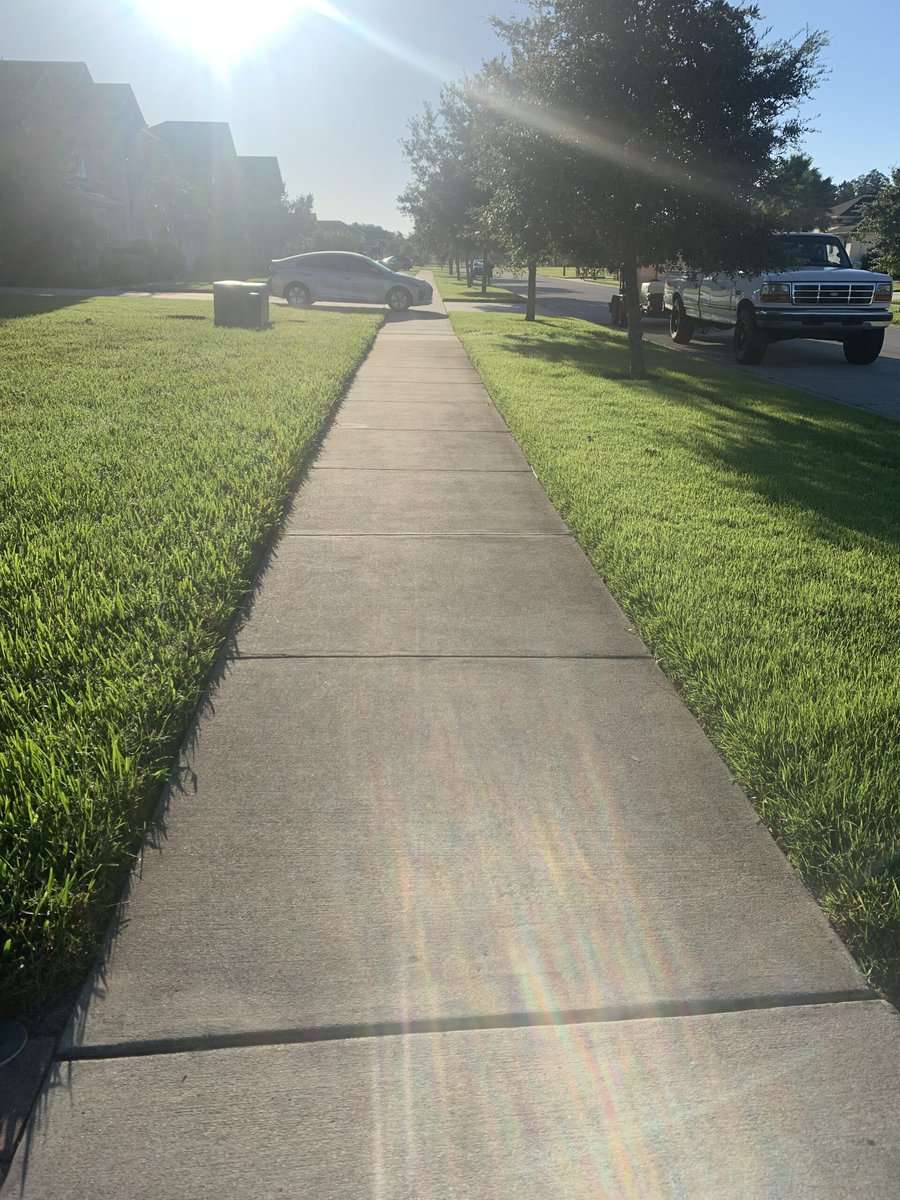
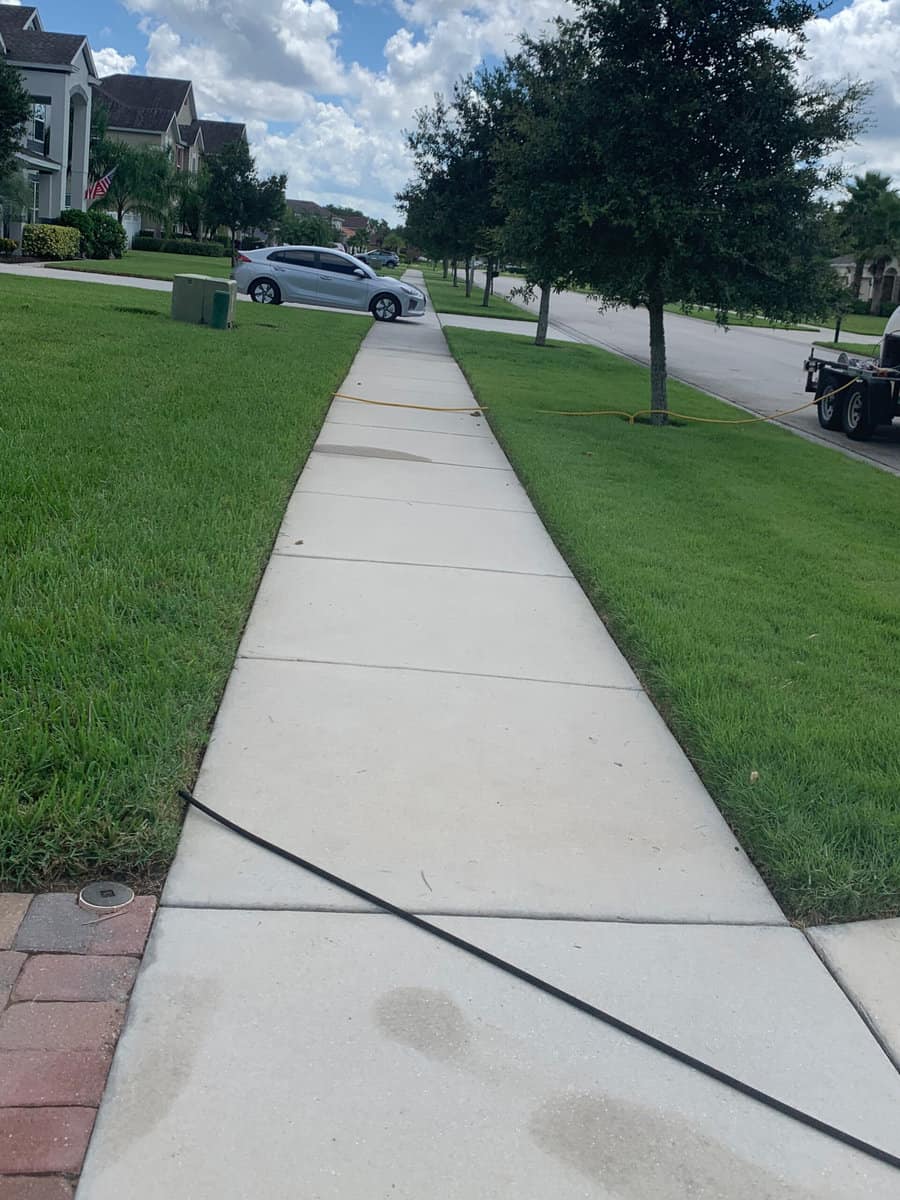
Revitalize your driveway with our specialized pressure washing. We meticulously remove dirt and grime, ensuring your driveway and concrete areas look as pristine as the day they were laid.
Roof Soft Washing
Safeguard your roof's lifespan with our soft washing service. We effectively eliminate mold, algae, and other contaminants, ensuring your roof not only looks its best but also remains structurally sound.
Paver Pressure Washing
Restore the elegance of your pavers. Our expert team delicately cleans each paver, enhancing their natural beauty and ensuring longevity. Say goodbye to moss, algae, and unsightly grime.
Pool Deck/Enclosure soft washing
Enjoy a cleaner, safer pool area. Our soft washing process meticulously cleans pool decks and enclosures, removing slippery algae and unsightly grime, making your poolside moments even more enjoyable.
Exterior Home Washing
Protect and beautify your home's exterior. Using our gentle soft washing technique, we remove dirt, mold, and mildew without damaging paint or surfaces. Experience a home that looks freshly painted.
vinyl/wooden fence soft washing
Revive the charm of your fences. Whether it's vinyl or wood, our soft washing technique ensures thorough cleaning without causing damage, restoring your fence's original luster and extending its life.