Summary:
- Soft washing uses low pressure and cleaning solutions, making it a suitable option for many roofs, stucco surfaces, siding, painted exteriors, and other delicate materials.
- Pressure washing is generally more appropriate for durable surfaces such as concrete driveways, sidewalks, patios, parking lots, and some masonry.
- The best exterior cleaning method depends on the material, its condition, the type of buildup, and how the surrounding property and runoff will be managed.

Soft washing is often the better choice for delicate exterior surfaces because it uses much less water pressure and relies more on cleaning solutions to break down organic growth. That matters when you are cleaning materials such as roof shingles, stucco, painted siding, older brick, or other surfaces that can be damaged by an aggressive spray.
That does not mean pressure washing is a bad option. Pressure washing is still useful for durable surfaces such as concrete driveways, sidewalks, some masonry, and other areas that can handle more force. The key is matching the cleaning method to the material, the condition of the surface, and the type of dirt or growth you are trying to remove.
If you live in Central Florida, this distinction can be especially useful. Homes and commercial properties in places such as St. Cloud, Kissimmee, Orlando, Winter Park, and Winter Garden deal with humidity, rain, algae, mildew, and other organic buildup that can make exterior cleaning a regular part of property maintenance.
What Is Soft Washing?
Soft washing is a low-pressure exterior cleaning method that combines a controlled amount of water with an appropriate cleaning solution. Instead of depending mainly on a strong stream of water to blast away dirt, the solution helps loosen and break down organic contaminants before the surface is gently rinsed.
The exact cleaning solution and application method should depend on the surface being cleaned. A professional should also consider nearby plants, outdoor furniture, windows, painted areas, and drainage before applying any solution.
The main advantage is simple: less force is placed directly on the surface. That can reduce the risk of stripping paint, damaging finishes, pushing water behind siding, or disturbing fragile materials.
Soft washing is commonly considered for roofs, stucco, painted siding, vinyl siding, older masonry, and other surfaces where high pressure could cause problems. It can also be useful when the main issue is algae, mold, mildew, or similar organic growth rather than deeply embedded dirt.
Why Can High Pressure Damage Delicate Surfaces?
A pressure washer is a powerful tool. The same force that makes it excellent for cleaning concrete can be too aggressive for a fragile surface.
The CDC notes that pressure washers can produce strong spray capable of causing serious injuries, which is one reason they should be handled carefully and according to the equipment manufacturer’s instructions. The risk is not limited to people. The wrong pressure, nozzle, distance, or technique can also damage the material being cleaned.
For example, high pressure can contribute to several problems:
- Painted surfaces may lose paint or develop uneven areas.
- Older brick can have weakened mortar that does not tolerate aggressive spraying well.
- Stucco can be chipped, cracked, or damaged if excessive force is used.
- Roof shingles can be disturbed or damaged.
- Vinyl siding can allow water behind panels if water is forced into seams.
- Wood can be scarred, gouged, or stripped of its finish.
- Window seals and other components can be affected by forceful spraying.
This is why the strongest setting is not automatically the best setting. Good exterior cleaning is about getting the desired result without creating a new repair problem.
Is Soft Washing Better for Roofs?
In many cases, yes. Roof cleaning is one of the clearest examples of where a low-pressure approach can make sense.
Roof shingles are exposed to weather every day, but that does not mean they should be treated like concrete. A strong pressure stream can disturb roofing materials and potentially shorten their useful life. Soft washing can address algae, moss, mildew, and other organic buildup while using much less pressure.
If you are considering roof cleaning, the condition and type of roofing material matter. A professional should identify the material first and select a cleaning method that is appropriate for it. Roof cleaning should also be handled with attention to worker safety, surrounding landscaping, gutters, windows, and runoff.
For properties in Orlando, Lake Nona, Narcoossee, Hunters Creek, Meadow Woods, and Southchase, roof soft washing can be particularly relevant because warm, humid weather can create favorable conditions for organic growth.
What About Stucco, Siding, and Brick?
House exteriors can look similar from a distance while responding very differently to pressure.
Stucco is a good example. It is durable enough for everyday weather, but aggressive pressure can damage the finish or drive water into areas where it should not go. A lower-pressure cleaning approach is often more appropriate, particularly when the main problem is algae, mildew, or surface staining.
Siding also requires care. Vinyl siding may be durable, but spraying directly into seams or vents with excessive pressure can force water behind the panels. Painted siding has another concern: too much pressure can remove paint or leave visible marks.
Brick needs to be evaluated based on its age and condition. Newer, sound masonry may tolerate pressure better than old brick with deteriorating mortar. If the mortar is already weak, blasting it with a powerful stream can make the problem worse.
For these reasons, house exterior power washing should not be treated as a one-setting job. The right approach can vary from one section of the same home to another.
Soft Washing vs. Pressure Washing
The simplest difference is where the cleaning power comes from. Pressure washing relies more heavily on mechanical force from pressurized water. Soft washing uses lower pressure and places more emphasis on the cleaning solution.
Here is a practical comparison:
| Factor | Soft Washing | Pressure Washing |
| Main cleaning method | Low-pressure water and cleaning solution | Pressurized water |
| Best suited to | Delicate or sensitive exterior materials | Durable hard surfaces |
| Common uses | Roofs, stucco, siding, some painted surfaces | Concrete, sidewalks, some masonry, heavy surface dirt |
| Organic growth | Cleaning solution helps break it down | Water pressure can remove surface buildup |
| Risk on fragile materials | Generally lower when properly performed | Higher if pressure is excessive |
| Main concern | Proper chemical selection and runoff management | Correct pressure, nozzle, distance, and technique |
Neither method is automatically better for every job. In some cases, the best service combines approaches. A property might need soft washing for the roof and siding, while its driveway and sidewalk are cleaned with pressure.
When Is Pressure Washing the Better Choice?

Pressure washing still has an important place in exterior maintenance.
Concrete is one of the most common examples. Driveways and sidewalks can collect tire marks, dirt, mud, algae, and other buildup that may respond well to controlled pressure. Commercial properties may also benefit from pressure washing on durable paved areas where appearance and cleanliness matter.
Parking lots and other large hard surfaces can require a different approach from a residential roof. Commercial power washing may be used for building exteriors, sidewalks, loading areas, parking surfaces, and other durable materials, provided the pressure and cleaning method are appropriate for each surface.
Decks and patios are another area where the answer depends on the material. Concrete pavers may tolerate controlled pressure, while painted wood, older boards, or delicate finishes may require lower pressure and a gentler technique.
The important question is not simply, “Can this surface be pressure washed?” A better question is, “What cleaning method will remove the buildup without damaging the surface?”
What Surfaces Should You Be Careful With?
Some surfaces deserve extra caution before anyone starts spraying.
Roof shingles
Avoid treating a roof like a driveway. Roofing materials can be damaged by excessive pressure, and walking on a roof can also create safety concerns.
Painted surfaces
If the finish is already peeling, chalking, or deteriorating, pressure can remove more of it. That can leave you with a bigger preparation and repainting project.
Older brick and mortar
Aged masonry should be inspected before cleaning. Weak mortar joints can be more vulnerable to aggressive water pressure.
Stucco
Stucco can have cracks, patches, and areas of varying condition. A controlled, lower-pressure method can reduce the chance of damaging the surface.
Wood
Wood can be marked by a concentrated spray. Pressure can also remove stain or paint if the technique is too aggressive.
If you are unsure about a material, it is better to identify the surface and its condition before choosing the equipment setting.
Why Cleaning Solutions Matter for Organic Growth
One reason soft washing works well for exterior surfaces is that many stains are not simply loose dirt.
Algae, mold, mildew, and other organic growth can attach to a surface and continue returning if the underlying growth is not properly treated. Water pressure can remove visible material, but cleaning solutions can play an important role in breaking down organic contaminants.
That is particularly relevant in humid climates. Central Florida properties can experience repeated exposure to moisture, shade, and rain, which can contribute to organic growth on roofs, siding, fences, patios, and other exterior areas.
Proper application matters, though. Cleaning solutions should be selected and used according to the surface and product instructions. Plants and landscaping should be protected, and wash water should be managed responsibly.
The EPA explains that stormwater flowing over hard surfaces can pick up pollutants and carry them into storm drains and waterways. Responsible exterior cleaning therefore includes paying attention to where runoff goes, not just how clean the surface looks afterward.
A Good Cleaning Plan Starts With the Surface
Before you schedule any exterior cleaning, take a quick look at what you actually need cleaned.
If the main issue is a stained concrete driveway, controlled pressure washing may be the logical option. If you are dealing with roof algae or a delicate stucco exterior, soft washing may be more appropriate. If you have several surfaces, you may need a combination of methods.
This is also where a professional assessment can help. Instead of asking for the highest pressure available, ask what method is recommended for each material, what type of buildup is present, and how the surrounding areas will be protected.
If you are planning residential pressure washing or commercial power washing in the Central Florida area, this surface-first approach can help you avoid unnecessary damage and get a more appropriate cleaning result. Pressure Wash This serves communities including St. Cloud, Kissimmee, Lake Nona, Narcoossee, Buenaventura Lakes, Hunters Creek, Meadow Woods, Southchase, Poinciana, Celebration, Orlando, Winter Park, Altamonte Springs, Sanford, Oviedo, Winter Garden, Ocoee, and Davenport.
How to Protect Your Property During Exterior Cleaning
The cleaning method is only one part of safe exterior maintenance. The surrounding property matters too.
Windows and doors should be checked before cleaning. Outdoor furniture, decorations, and other loose items should be moved or protected. Plants and landscaping near the work area may need protection, especially when cleaning solutions are being used.
It is also important to consider runoff. Water coming from a roof, driveway, sidewalk, or parking lot can carry dirt and cleaning residues with it. The EPA notes that runoff from hard surfaces can transport pollutants toward storm drains and waterways. Local requirements can vary, so property owners and cleaning professionals should follow applicable rules for wastewater and stormwater management.
Safety matters for the person doing the work as well. Pressure washers can cause serious injuries, and spraying near electrical equipment, people, pets, or fragile components creates additional risks. If you are not comfortable identifying the correct pressure and cleaning method, professional help can be a safer choice.
Can Soft Washing and Pressure Washing Be Used Together?
Yes. Using one method does not mean the other cannot be used on the same property.
A house might receive roof soft washing and gentle siding cleaning, followed by pressure washing on a concrete driveway and sidewalk. A commercial property might use a lower-pressure method on certain building surfaces while using controlled pressure on parking areas and other durable pavement.
This combined approach is often more practical than forcing every surface into the same cleaning process.
For example, a homeowner in Celebration or Poinciana may want the roof, exterior walls, patio, and driveway cleaned at the same time. Each area can be evaluated separately so the cleaning method matches the material instead of using one aggressive setting everywhere.
What Should You Ask Before Hiring a Cleaning Professional?
Before booking exterior cleaning, ask a few straightforward questions:
- What cleaning method do you recommend for each surface?
- What pressure will be used on delicate materials?
- How will plants, windows, doors, and outdoor fixtures be protected?
- How will runoff be handled?
- Do you have experience cleaning this specific material?
- Can you identify areas that may already be damaged before cleaning?
The answers can tell you a lot. A good cleaning plan should focus on the condition of the property, not simply on using the most powerful equipment.
You can also review the CDC’s pressure washer safety guidance for additional information before doing any work yourself. For broader information about stormwater and runoff, the EPA’s stormwater resources are another useful reference.
Frequently Asked Questions
Does soft washing remove black streaks from a roof?
Soft washing can be effective for roof discoloration caused by algae and other organic growth. The appropriate cleaning method depends on the roofing material and its condition. A roof should be evaluated before cleaning rather than assuming the same process is safe for every shingle or roofing system.
Will soft washing change the color of my siding?
A properly selected cleaning method should be designed around the siding material and existing finish. However, faded, oxidized, or deteriorating siding can react differently to cleaning. It is useful to discuss the condition of the siding before work begins so expectations are clear.
Is soft washing safe around landscaping?
It can be, but landscaping should be considered part of the cleaning plan. Plants may need to be watered or protected, and cleaning solutions should be handled carefully. Runoff should also be managed so cleaning wastewater does not create an avoidable environmental problem.
How long does a soft wash take to dry?
Drying time varies with the surface, weather, humidity, temperature, and amount of water used. A professional can give you a better estimate after considering the specific area being cleaned.
Can soft washing remove rust stains from concrete?
Soft washing is not automatically the best solution for rust stains. Rust is different from algae, mold, and mildew, so the cleaning approach may require a product or treatment designed specifically for iron staining. The surface should be evaluated before applying a cleaner.
Soft washing is often the better choice for delicate exterior surfaces because it reduces the amount of mechanical force placed on materials that can be damaged by aggressive pressure. It is especially useful for many roofs, stucco surfaces, painted exteriors, and areas affected by organic growth.
Pressure washing remains highly useful for durable surfaces such as concrete driveways, sidewalks, patios, and many commercial paved areas. The best exterior cleaning plan is not about choosing soft washing over pressure washing every time. It is about knowing which method fits the surface.
If your property has several different exterior materials, start with an assessment instead of choosing a pressure setting first. That small step can help you clean more effectively while reducing the chance of damage to your home or commercial property.
central florida's pressure washing pros
About PWT
Pressure Wash This is Central Florida's premier pressure washing service, proudly family-owned for over a decade. Led by Steve Grooms, our dedicated team combines expertise with top-tier equipment to deliver unmatched results. From homes to businesses, we're committed to excellence, ensuring every surface shines to perfection.
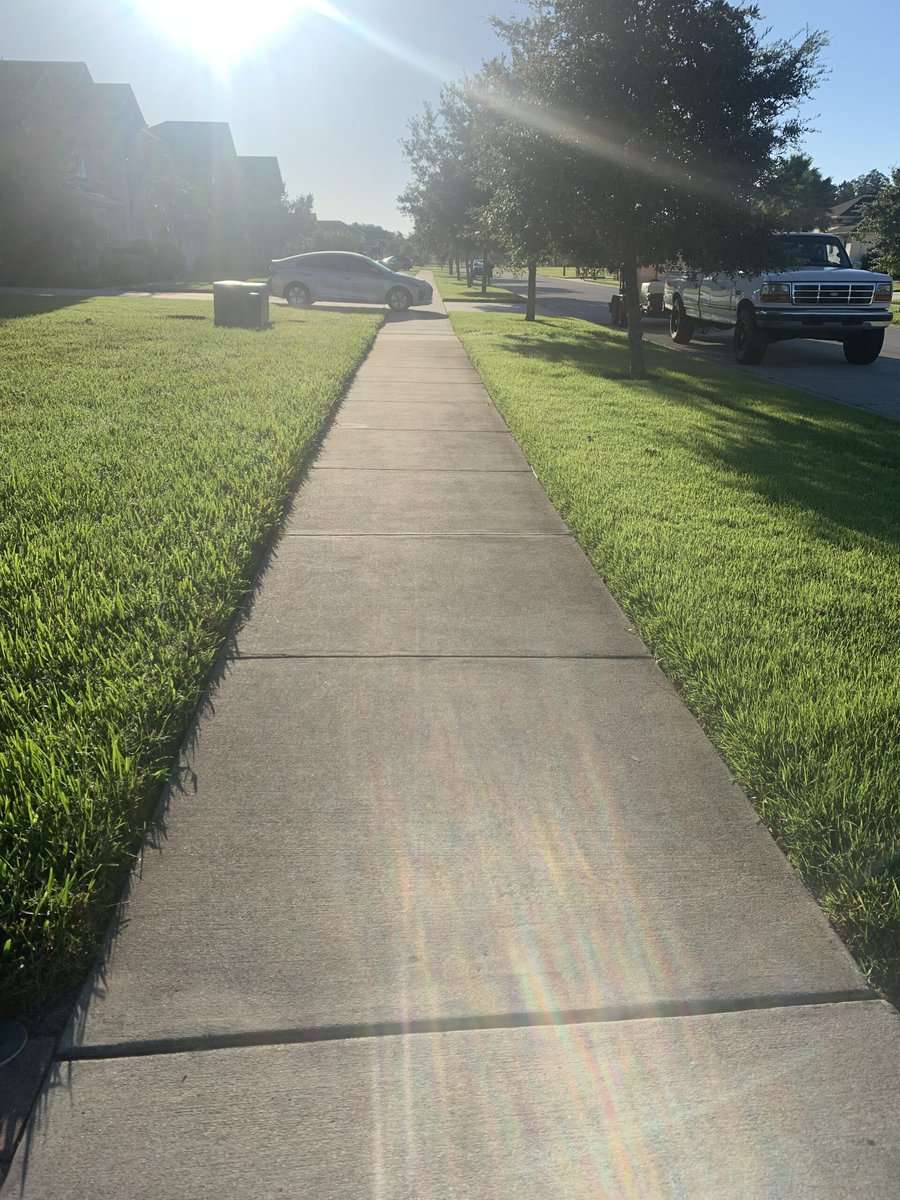
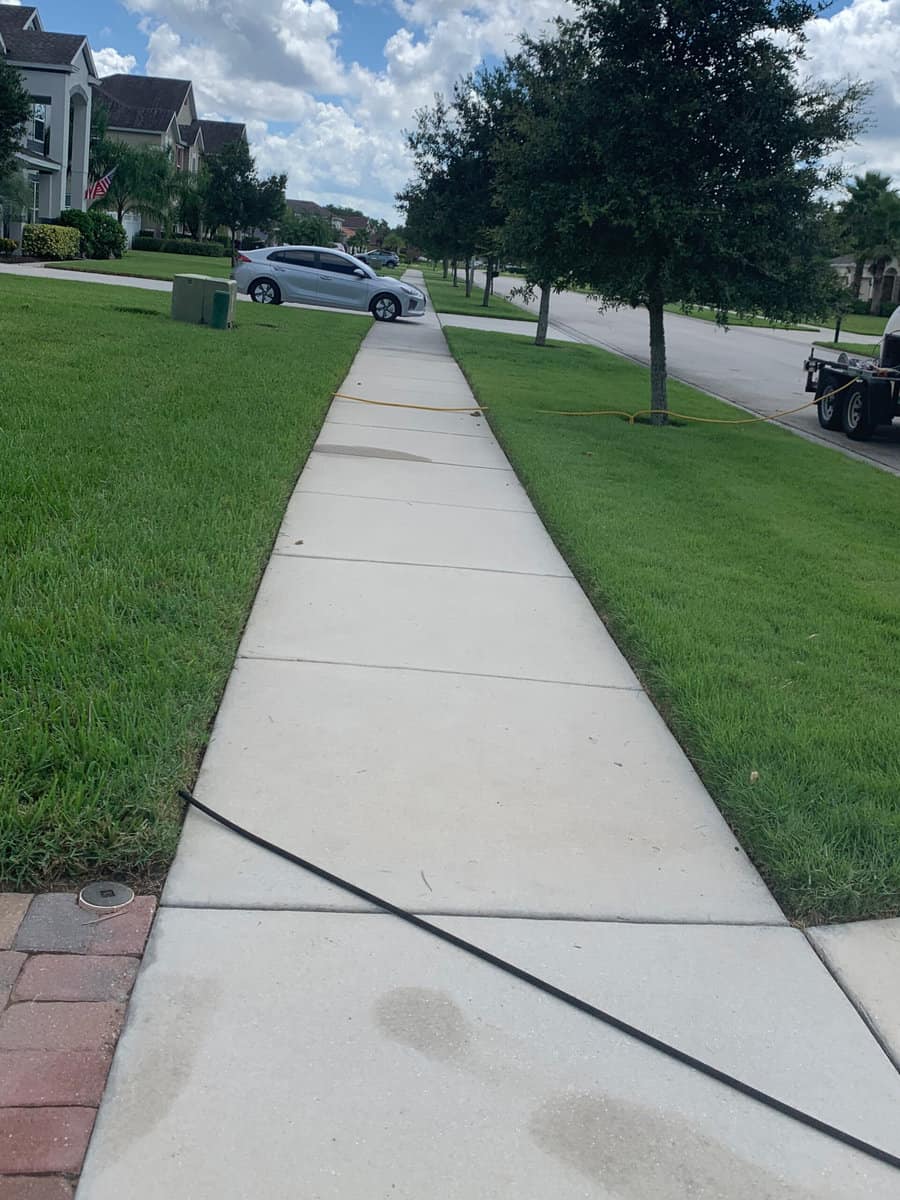
Driveway & Concrete Pressure Washing
Revitalize your driveway with our specialized pressure washing. We meticulously remove dirt and grime, ensuring your driveway and concrete areas look as pristine as the day they were laid.
Roof Soft Washing
Safeguard your roof's lifespan with our soft washing service. We effectively eliminate mold, algae, and other contaminants, ensuring your roof not only looks its best but also remains structurally sound.
Paver Pressure Washing
Restore the elegance of your pavers. Our expert team delicately cleans each paver, enhancing their natural beauty and ensuring longevity. Say goodbye to moss, algae, and unsightly grime.
Pool Deck/Enclosure soft washing
Enjoy a cleaner, safer pool area. Our soft washing process meticulously cleans pool decks and enclosures, removing slippery algae and unsightly grime, making your poolside moments even more enjoyable.
Exterior Home Washing
Protect and beautify your home's exterior. Using our gentle soft washing technique, we remove dirt, mold, and mildew without damaging paint or surfaces. Experience a home that looks freshly painted.
vinyl/wooden fence soft washing
Revive the charm of your fences. Whether it's vinyl or wood, our soft washing technique ensures thorough cleaning without causing damage, restoring your fence's original luster and extending its life.